Participation à ce recueil participatif initié et réuni par Marco Jalla, Nolwenn Mégard, Magali Le Mens et Merel van Tilburg (paru octobre 2020).
Entrées Art Nouveau et Globe-trotter

Publications (articles, livres, etc.) de Leïla el-Wakil
Participation à ce recueil participatif initié et réuni par Marco Jalla, Nolwenn Mégard, Magali Le Mens et Merel van Tilburg (paru octobre 2020).
Entrées Art Nouveau et Globe-trotter
Mon article « Patrimoine bâti Forme, (im)matière » est à paraître dans Frontières du patrimoine sous la direction de Nabila Oulebsir (CRIHAM, Université de Poitiers/Université de Limoges).
Il est d’ores et déjà accessible ici.
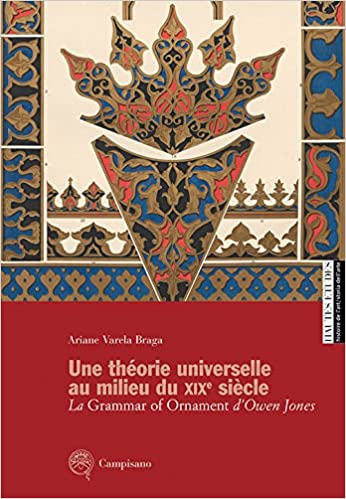
Ariane Varela Braga nous livre en 2017 un ambitieux ouvrage, issu de sa thèse de doctorat soutenue à l’Université de Neuchâtel sous la direction du prof. Pascal Griener en 2013, qui traite donne de la Grammar of Ornament (1856), ouvrage majeur d’Owen Jones, une lecture renouvelée dans une contextualisation stimulante. L’érudition de l’ouvrage, la maîtrise de la théorie artistique du XIXe siècle, les propositions d’interprétation en font une lecture rafraîchissante et incontournable. Ma recension complète, à paraître dans la revue RACAR, est accessible ici.
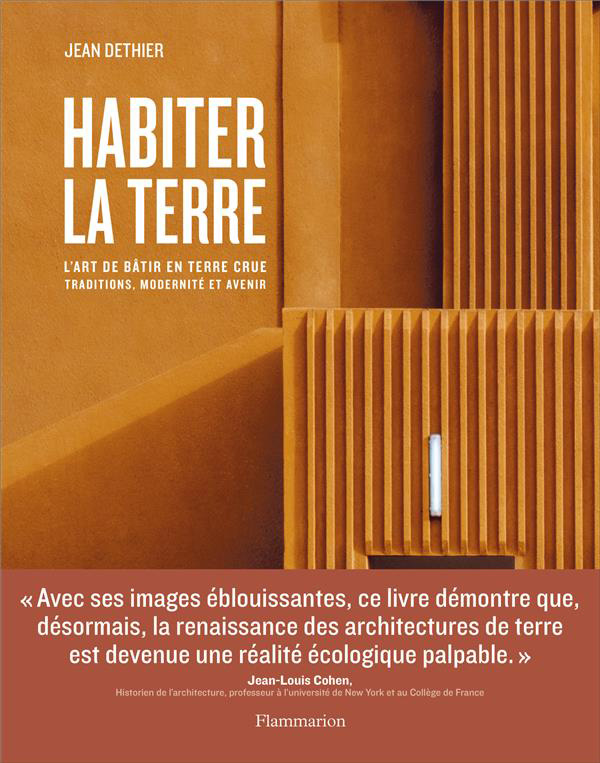
J’ai eu le grand plaisir de rédiger une recension du nouveaux livre de Jean Dethier, Habiter la terre. L’art de bâtir en terre crue. Traditions, modernité et avenir (Flammarion, 2019, 512 p.), pour la revue Architecture d’Aujourd’hui.
Le numéro spécial de la revue Bfo-Journal « Preserving a Shared Heritage. Challenges, Potentials and Limits » (4.2018), dirigé par Francine Giese, est désormais accessible en ligne en en libre accès.
Il inclut mon commentaire critique « Le patrimoine bâti entre le marteau de la croissance et l’enclume du basculement du monde« , également téléchargeable directement ici.
Hassan Fathy: An Architectural Life
Translation of Hassan Fathy dans son temps (2013)
Edited by Leïla el-Wakil
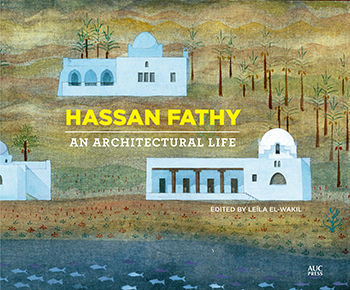
A beautifully illustrated study of the life and times of the legendary Egyptian architect
This fully illustrated volume represents the most comprehensive examination yet of the life and work of the great Egyptian architect Hassan Fathy (1900–89), and the regional and international significance of his contribution to the lived environment. Eleven Egyptian and international scholars reveal the man, his milieu, his goals and his passions, his concept of social living and his fight for a humane model for affordable housing in tune with the environment, the application of these concepts in his numerous plans and buildings, his relations with the establishment, the extent of his influence, and the lasting legacy of his completed projects. Generously illustrated with archival and color photographs and the architect’s own distinctive and beautifully decorated gouache plans and elevations, many never previously published.
Contributors: Leïla el-Wakil, Camille Abele, Jo Abram, Rémi Baudouï, Ahmad Hamid, Nadia Radwan, Samir Radwan, Ola Seif, Jessica Stevens-Campos, Mercedes Volait, Nicholas Warner.
 Leïla el-Wakil